
One mistake you should never make as a business owner is to get too comfortable with success. While it’s okay to celebrate wins, what’s more important is ensuring that the success isn’t short-lived.
The key lies in making futuristic plans and staying updated with technological trends that keep your business efficient, adaptable, and relevant, to meet the demands of tomorrow in the fast-paced digital economy.
As companies compete for technological dominance, an efficient yet unexploited way to future-proof your business is by integrating intelligent location and time-tracking tools into your workflows. In 2025, the time tracking software market is estimated at $6.1billion and expected to reach the $11.43billion mark by 2030. That’s a staggering CAGR of 13.38%.
Perhaps you’ve always considered these tools traditional punch-in systems used to track employee movement and work hours, and are now wondering what else they can offer. In this piece, we’ll dig deeper into their core functionalities and how they can be strategic assets that guarantee long-term business viability.
In This Article:
How to future-proof your business with intelligent location and time tracking tools
If there’s one thing we’ve realized over time, it’s that technologies are constantly evolving. But just how much have location and time-tracking systems advanced? To the point where they can nurture a sustainable business model?. You’ll find out soon enough. Let’s delve in
1. Optimize work efficiency with smart time tracking

Anytime your company records new feats or completes projects, pay attention to how your employees handle successes. Oftentimes, what usually follows is a lack of motivation and a decrease in work efficiency. While time off is necessary, team productivity must always be kept in check to stay competitive. Don’t you think?
This can be easily achieved with AI workflow automation. Intelligent tracking systems like Agendrix’s time and attendance software use AI and machine learning algorithms to monitor employee work hours with precision and automation, without risks of human errors and time theft. It’s past time you got rid of traditional punch clocks.
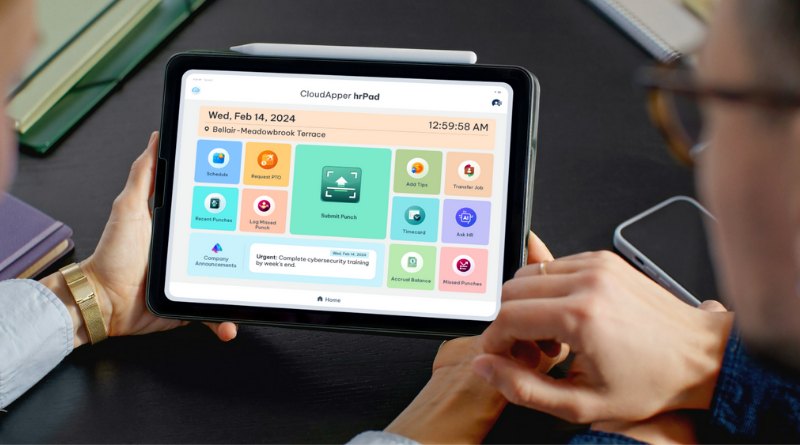
With such an advanced tool, it becomes easier to centralize workforce management, especially if you have a remote team. What does this mean? Seamless integration across multiple devices allows your employees to check in and out using different devices, like mobile phones and tablets, anywhere and anytime.
Here’s the gist: It eliminates the manual and repetitive tasks of rewriting and cross-checking work hours. In addition, it paves the way for smart tracking. You can easily monitor work activities and curb time theft by knowing who’s absent, who’s late, who’s working, and who’s going beyond the regular schedule.
Beyond tracking capabilities, it can give a broader picture of operations to deliver smart work insights—like knowing which time or shift workforce productivity reaches the peak, or when employees often clock in late. These insights can enhance scheduling decisions and the deployment of resources where they can make the biggest impact.
2. Maximize work productivity using location intelligence

Location tracking systems now do more than monitor employee movement. They provide workable insights across many industries, especially the transport and logistics industries. These insights carry weight and drive smarter business decisions.
For instance, IPinfo’s API for location-based intelligence can convert IP addresses into rich geolocation data. What does this mean for you? Instead of making generic marketing campaigns, you can identify customer location in real time to deliver content and services that keep them loyal to your brand, even when they change locality.
That’s not all. Geolocation data helps you analyze and segment traffic by region, optimize routes, and stay punctual with delivery times. You can proactively dispatch the nearest available workers in case of heavy traffic. Winning customer trust isn’t the same as sustaining it; you shouldn’t give them a reason to consider trying rival businesses.
Finally, smart location-tracking tools offer predictive insights. This means you can analyze patterns to forecast changes or trends in the demand curve. It’s a competitive edge. In a time when employees and customers are always changing locations, it can future-proof your business by helping you stay flexible, work more efficiently, and avoid wasting resources.
3. Gain business-critical information from data-driven dashboards
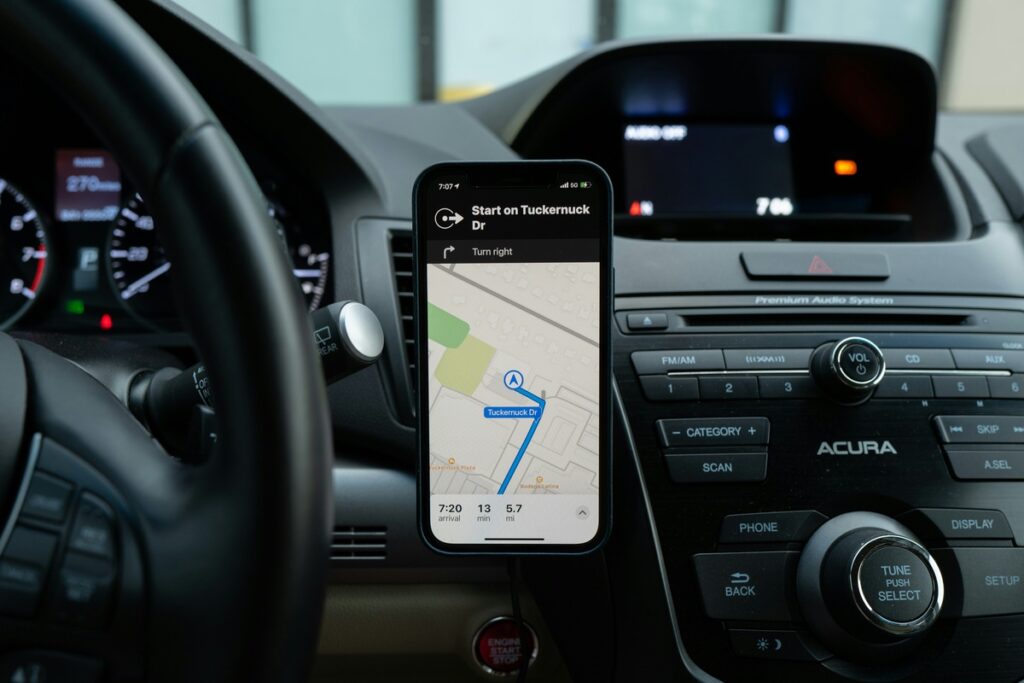
Advanced location and time-tracking systems have built-in dashboards that can convert data into workable insights in real time. Let’s make it clear: these dashboards act as centralized platforms where you can unify team activities, job site data, locations, and project reports into a clear visual layout.
A comprehensive look at your KPIs keeps you informed of team productivity, time spent on each project, and overtime trends that help you make smart business decisions.
Dashboards can even reach deeper when integrated with AI and machine learning. They spot the inconsistencies and emerging trends that might be overlooked manually. For instance, if you have a very large fleet and a certain vehicle consistently stays longer in transit than others, your manager can easily take proactive measures.
Such a level of transparency minimizes inefficiencies and helps you make data-driven decisions—whether it’s redeploying resources, reallocating budgets, or scaling certain services. Instead of waiting to react, you anticipate events, giving your business the flexibility required for long-term success.
4. Heighten security and compliance policies
In a way, intelligent tracking can help your business scale through the complexities of compliance policies. Curious to know how? Time trackers use AI algorithms to keep accurate records of employee activities across clock-ins and outs, breaks, and overtime in adherence to region-based protocols.
Likewise, location trackers can monitor your field and mobile workers and ensure they’re where they should be. This mitigates the risks of legal actions, especially for firms in sensitive sectors like construction, logistics, and health. For construction teams specifically, GPS time clock apps add an extra layer of clarity and protection — allowing workers to clock in and out directly from the jobsite, automatically capturing their location and hours worked. This eliminates disputes over timesheets, simplifies payroll, and ensures crews are fairly compensated for the time they spend on challenging sites, all while keeping operations transparent and compliant.
Besides, the most advanced intelligent trackers have built-in auditing features that offer you detailed reports of past events—like who accessed what, when, and where the action was taken. Aside from being vitally important during internal audits, these logs can give you an edge during cases of insurance and external inspections.
In brief, future-proofing your business also means adopting a privacy-first work ethic. Advanced tracking systems protect your organization from cyber attacks and regulatory scrutiny, solidifying your trust with customers, employees, and stakeholders.
5. Strengthen the efficiency of your remote workforce

We’ve entered an era of mobile and hybrid work models. As such, the tools you adopt must be sophisticated enough to boost the productivity of your employees, regardless of their location and time zones.
If you’ve been attentive to details, you’d agree that intelligent time and location systems are designed for this purpose. Easy clock-ins and outs, location verification, and mobile-based task management keep your team connected and accountable.
If your company has a hybrid work model, smart tracking systems can play a significant role in ensuring fairness. Irrespective of the location, managers can give remote teams equal attention to in-office workers in work performance, attendance, and efficiency in a timely and consistent manner without excessive supervision.
On a final note, equipping your hybrid team with the tools they need does more than optimize their productivity; it increases their satisfaction and facilitates retention in the long run. This makes your business more resilient to unforeseen events like power outages and emergencies.
6. Boost your profits through resource optimization
What’s the whole point of running a business? It’s to make huge profits and a greater ROI. When implemented strategically, smart tracking solutions can give you just that. These tools give you complete grip over business activities. You get to see how your employees, assets, and vehicles move in real time, and how much time is spent on activities.
With this, businesses can take proactive steps to prevent impediments, whether by redeploying resources, reallocating budgets, or reassigning tasks. Swift actions like these can maximize work efficiency and prevent the wasting of time and resources.
For instance, if location-based intelligence reveals heavy traffic jams along the driver’s route, your fleet manager can quickly notify drivers of the impending situation and promptly analyze patterns to identify less congested or traffic-free routes to stay on schedule and meet deadlines.
Gradually, this swift response to impediments leads to substantial cost savings and greater output, positively impacting your ROI. Above all, these improvements help your business withstand the pressures of changing market demands and give you a competitive edge.
Forge a path into the future of work
There’s really no time to waste. The business landscape is hostile, and it’ll only be a matter of time before intelligent location and time tracking become the new norm. Now’s the ideal moment to take this initiative to build a future-ready business.
Smart tracking offers a competitive and more adaptable way to manage your team, time, and resources. It helps you develop real-time insights that can optimize productivity, enhance business decisions, and increase ROI effortlessly.
Forward-thinking businesses don’t just strive to win but lay the foundation for long-term growth, and smart tracking gives you that. You can respond quickly to changing demands and stay updated with industry trends. That’s what it means to future-proof your business.

Rilwan Kazeem
Rilwan Kazeem is a content writer with a passion for crafting clear, engaging, and SEO-friendly write-ups that connect with audiences and drive results. He specializes in blog articles, website copy, and digital marketing content across industries. With a focus on quality, research, and readability, he aims to deliver content that informs, inspires, and performs.