
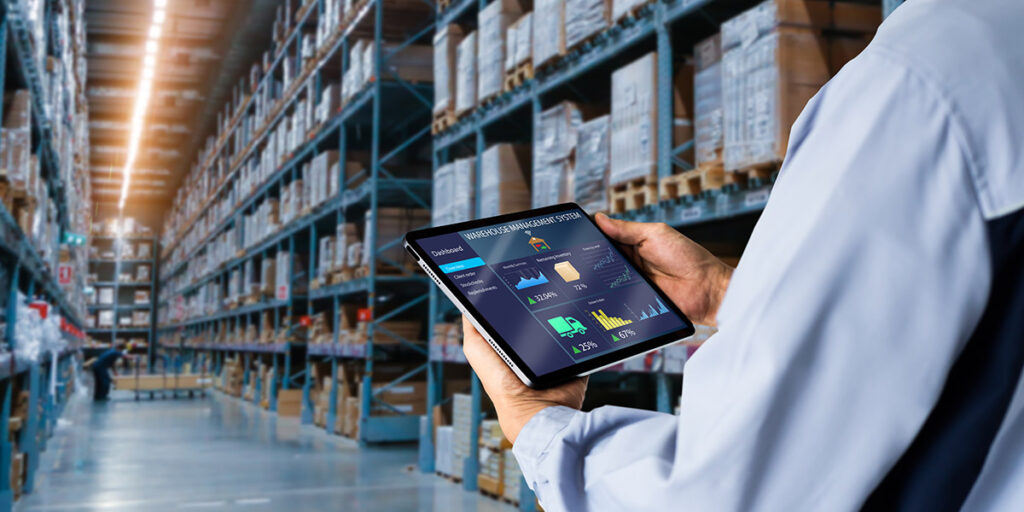
As your online store expands its reach, offerings expand along with it, significantly increasing the complexity of delivering products to customers efficiently and smoothly becomes more challenging than before when you first started out with basic tools, like spreadsheets and third party solutions.
Issues like delays in shipments and inventory discrepancies leading to delivery expenses and dissatisfied customers are frequent challenges that arise from a fundamental issue. The logistics framework in place was not designed for expansion.
That’s why collaborating with a logistics software development company is a decision because you can create a tailored solution that suits your business model and objectives rather than using generic tools.
This article delves into the strategies for creating logistics software and highlights the essential features and connections needed for success in this field drawing examples from industry giants such as Amazon and Shopify who have built robust systems to drive their significant expansion efforts If you are keen, on establishing a flexible logistics infrastructure to propel your brand’s growth trajectory then continue with this read.
In This Article:
The Limitations of Universal Tools, in Supporting Expansion
Several online retail businesses start out using third party logistics software and services at the beginning stages of operations; however as they scale up their operations may face challenges due to the flexibility, performance and integration capabilities of these tools.
Standard tools frequently fail to meet expectations.
- Connecting with shipping companies or delivery partners may be challenging due to restrictions in integration capabilities.
- Workflows that are rigid and do not match your fulfillment procedures.
- There is a need for monitoring of inventory in warehouses to track it in real time.
- International shipping and return policies are not well supported.
- When faced with a number of orders the system struggles to keep up and may experience delays or errors.
When your operations start getting more intricate and involved, using made solutions may cause you to resort to manual fixes resulting in inconsistent customer interactions and higher operational expenses.
Consider creating your customized logistics software for your eCommerce operations designed to adapt and grow with the unique requirements of your business.
Lessons in Large Scale Logistics, from Prominent Brands
Amazons Dominance Enabled by Internal Technological Capabilities
Amazon’s transformation from an internet bookstore to a player in global logistics was greatly influenced by its choice to create its own logistics software suite. From overseeing warehouse operations to refining route planning tools Amazon invested in technology that granted them control over the entire fulfillment process. This strategy enabled them to provide expedited two day shipping services, minimize delivery expenses and swiftly adapt to any interruptions in their supply chain.
You don’t have to have the resources as Amazon to benefit from their strategy; the lesson is straightforward. Logistics is a fundamental skill set and not just a minor operational aspect.
Shopify offers a Logistics, as a service solution tailored for sellers.
Shopify’s Fulfillment Network demonstrates the impact of establishing a designed logistics system on supporting various businesses on a larger scale effectively and efficiently in the United States market.In order to provide cost quick fulfillment services to sellers nationwide Shopify invested in creating its own network infrastructure which heavily relied on customized software solutions.This technology facilitated the implementation of inventory management,intelligent order routing and comprehensive monitoring of fulfillment processes resulting in a seamless operational experience, for users.
For those managing a vendor marketplace or catering to smaller brands replicating this model on a smaller scale is achievable, with the assistance of a logistics software development firm.
Expanding Zalando’s Fulfillment Operations Internationally
Zalando from Europe operates across over 20 countries. Handles millions of orders monthly by utilizing a system that combines warehousing activities, with courier services and packaging operations—all aimed at maximizing efficiency in both cost and delivery speed.
Zalando established a custom logistics technology initiative, in its stages to facilitate expansion into fresh markets while maintaining efficient delivery services.
Essential Components for a Tailored eCommerce Shipping Solution
The best logistics software doesn’t have features. It concentrates on addressing the actual problems your business encounters, which is why crafting custom logistics software begins with understanding your current issues and future requirements.
When creating your system make sure to think about these elements.
- Centralized inventory control
Keeping an eye on inventory levels in real time across various locations is essential for business operations to run smoothly and efficiently. Ensure that your software is seamlessly integrated with sales platforms like Shopify, Magento, and WooCommerce to avoid any issues related to overselling or discrepancies, in stock availability. - Streamlining the integration of carriers for shipping
Customers anticipate a range of choices such as delivery options like express shipping or eco conscious methods alongside convenient local pickup services. A designed system ought to seamlessly connect with different shipping providers and services to enable effortless transitions based on factors, like pricing variations and speed of delivery according to the location. - Keeping track of your order in time
From the moment a purchase is made to its arrival at your doorstep it’s crucial for both your team and customers to stay informed, about the status of their order. This involves connecting with courier APIs to receive real time updates on delivery progress and any potential delays. - Optimizing Travel Routes
By utilizing intelligence or algorithms in your systems operations should suggest the most effective routes, for deliveries—whether for your internal delivery team or external logistics partners.This helps fuel expenses and enhance delivery speed while also boosting overall dependability. - Reverse Logistics
In the world of online shopping or eCommerce websites like Amazon and eBay for example where people buy and sell goods online via the internet or using apps through their smartphones or computers there’s something called returns which means when a customer isn’t satisfied with a product they purchased they can send it back and get their money back or exchange it for something.
A reliable eCommerce logistics system should have processes that make it easy for customers to return items such as starting the return procedure by phone getting a shipping label to attach to the package once approved getting a refund and making sure returned items are back, into inventory promptly so they can be sold again to someone else who might want them.
- Data Analysis
It’s important to understand what is effective and where you’re losing money in your business operations. Reporting tools should emphasize expenses related to shipping, in areas and how well each carrier is performing. It should also showcase how quickly orders are being fulfilled and the rate at which inventory is being sold or replenished.
The Journey of Creating a Scalable System from Concept to Reality
Designing a personalized solution doesn’t involve crafting code from the ground up but rather constructing a tailored system in a methodical manner that aligns with your practical needs; A proficient logistics software development firm will lead you through this journey using a systematic and incremental strategy.
Mapping of Procedures
Before starting to write any code at all. The team working on development should take a look at your existing logistics processes integrations and any obstacles that are causing problems. This initial stage reveals the workings of your business. Pinpointing where things slow down which tools you heavily depend on and the objectives you’re aiming to achieve.
You don’t have to create everything all at once; begin with the impactful features that solve the major challenges first. Like a tracking system or a warehouse inventory dashboard or integrating multiple carriers.
The main objective of the viable product (known as MVP) is to confirm the features work well and add value efficiently without any unnecessary delays.
Many logistical systems require integration, with;
- Online shopping platforms, like Shopify and Magento.
- Financial and procurement enterprise resource planning (ERP)
- Shipping application programming interfaces (such, as those provided by UPS, FedEx and DHL)
- Warehouse. Tools used within a company’s premises
Integrations need to be dependable and quick while ensuring security is a priority for a seamless process, in the future.
Testing on a scale
Make sure to test your system under high demand scenarios before launching it live; Can it manage 100k orders daily without issues arising if the courier API malfunctions. Handle a large volume of users using the tracking feature simultaneously?
Ensuring scalability through testing is crucial to guarantee that the system functions even under challenging circumstances, not just in ideal scenarios.
Creating logistics software is an ongoing process that evolves alongside your business growth and changing needs over time. Having a development team that provides continual support is crucial, for adapting to these changes effectively and optimizing performance while integrating new features seamlessly.
In conclusion
The process of expansion leads to situations – and this is particularly evident, within the realm of the logistics industry. To expand your retail business without compromising on timely deliveries and customer contentment levels requires a long term strategy instead of quick fixes. A one-size-fits-all approach won’t work—you need a solution that aligns with your business model, where even procurement systems are built to grow and customized for your specific needs.
Working alongside a logistics software development firm is crucial in this scenario to create tailored logistics software that streamlines your processes effectively and offers the flexibility to adjust to evolving requirements while empowering you with the oversight for expansion.
Whether you’re sending packages locally or reaching out globally and regardless of whether you oversee a warehouse or a network of ten facilities. Your logistics setup can either pose challenges or serve as a key competitive edge in your operations.
Invest in a growth oriented system and leverage logistics to your advantage rather than letting it be a source of difficulty.