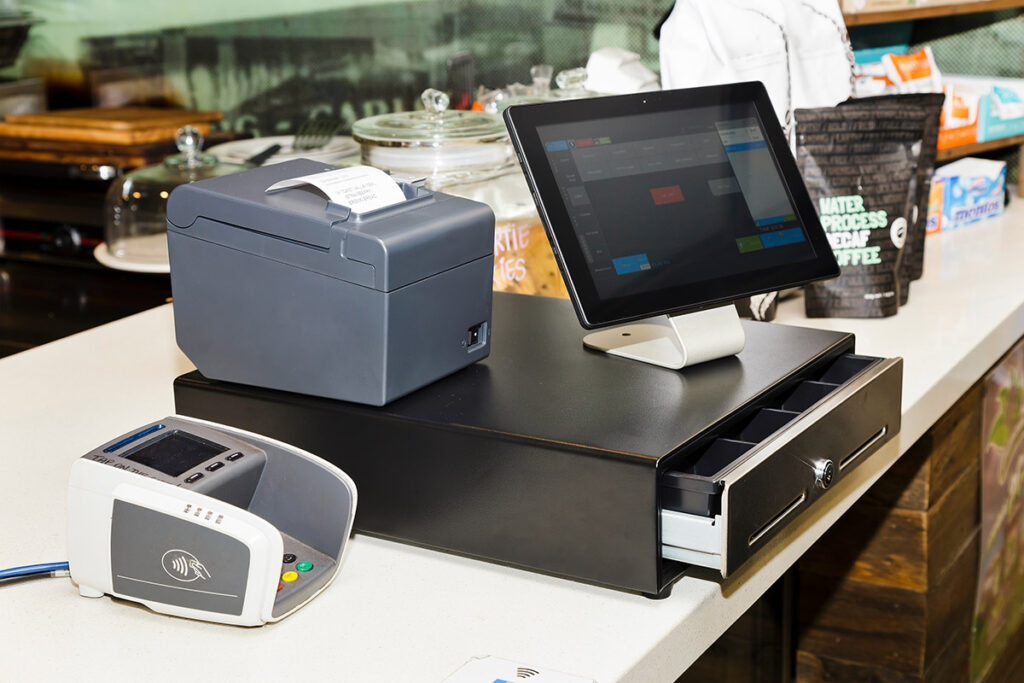
Many business owners find themselves consumed by daily manual tasks, such as preparing sales reports, processing employee hours, and calculating payroll, while managing inventory and customer service. Manual business activities are hurdles that reduce efficiency, increase errors, and take time and resources from important business functions and growth. Businesses still operating out of cash drawers are losing to their competitors, who are streamlining their operations with technology.
A POS payroll system is a necessity for retail businesses that process frequent transactions and employ part-time staff. It integrates the traditional point-of-sale function with payroll software to handle sales, time tracking, and wages in a single platform. It improves efficiency, reduces errors, and ensures compliance with labor laws.
This article examines the features, benefits, and challenges of a POS payroll system. It provides practical insights to company managers and owners so they can choose the best solution for their business.
In This Article:
What is a POS Payroll System?
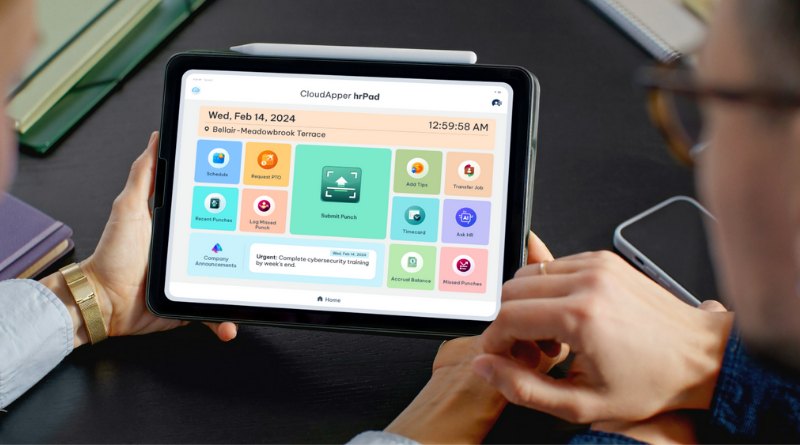
A POS payroll system is an innovative tool that combines two critical components of a business— sales and payroll—for efficient and effective operations. This system integrates the two software programs, allowing managers to easily access sales, time tracking, and employee data and effectively process payroll.
A POS payroll system consolidates all data on the same platform, eliminating manual data entry and associated errors that are the main shortcomings of traditional payroll and POS systems. The system frees time and resources that are invested in important business functions.
Features of a POS Payroll System
Time Tracking: It tracks working hours to eliminate errors of manual attendance systems.
Wage Calculation: It calculates wages based on working hours, overtime, breaks, and other critical factors to ensure accurate and timely payments.
Data Integration: It integrates with accounting and other software for seamless data sharing.
Tax Deductions: It accurately calculates taxes to avoid errors and files taxes on time.
Employment Management: It manages employee information to efficiently track availability, schedules, leave requests, and performance reviews.
Payment Processing: It processes payments directly, eliminating errors or delays.
These key features are especially suitable for the retail industry, which often involves hourly, part-time jobs and variable payments. Restaurants, retail stores, and medical centers can streamline their operations with these systems.
POS and Payroll Integration
The integration of POS and payroll creates a digital bridge for error-free transfer of employee data. It increases efficiency and accuracy in business operations. POS and payroll are integrated from clock-in to clock-out. When an employee clocks in, the system starts logging breaks, sales, and tip amounts throughout the day. It collects data on hours worked, tips earned, sales commission, breaks, and overtime worked.
Managers monitor employees’ schedules, shift activities, and sales performance in real-time, ensuring working hours or overtime comply with labor laws. This POS data flows to the payroll tool, which calculates wages, makes tax deductions, and processes payments directly.
An automated system reduces the pressure of manual work for HR and accounting staff. The saved resources can be invested in crucial business functions, such as employee engagement and business growth. The real-time data helps process accurate and timely pay without the errors and delays associated with manual entries and reconciliations. The reduced workload on staff and employee satisfaction improve the business’s performance and growth.
Benefits of POS Payroll Systems
Adopting POS payroll systems has the following benefits for businesses.
Time Savings
Automated payroll systems reduce the time required for administrative tasks such as manually entering employee data and calculating payroll. It saves time, reduces admin fatigue, and allows personnel to focus on strategic business functions.
Accuracy
POS payroll systems with automated recording of attendance, performance, and sales ensure accurate calculation of wages, tax deductions, and tips. As human errors in manual data entry and calculation are reduced, employees receive accurate wages every time. It helps industries with fluctuating working hours and high employee turnover to avoid costly payroll mistakes.
Compliance
These systems have preset laws, rates, and compliance requirements. They ensure compliance with local and state payroll requirements with automatic tax calculation, report generation, and record-keeping. They ensure the company meets labor law requirements regarding minimum wage, overtime, breaks, and tax obligations to avoid audits or fines.
Transparency
Employees can view their work hours, tips, tax deductions, and payment details in real-time. This transparency boosts employee morale and avoids disputes over hours and wages.
Scalability
As the business grows, whether with a new team, location, or services, the systems can be scaled to match the number of employees or other requirements of the business without regular system changes.
Real-time Insights
Owners get real-time data and reports on employee performance, labor costs, and scheduling. They can make Informed decisions regarding operations and financial management.
Key Features of a POS Payroll System
The right POS payroll system supports both day-to-day functions and long-term growth. Consider these key features to get the best results from your software.
Time and Attendance Tracking
Make sure the system accurately tracks time and attendance, including clock-in, clock-out, breaks, and overtime hours. Software with geofencing or biometric login ensures smooth logins and prevents fraud, such as buddy punching.
Taxes
A system that calculates and files local, state, and federal taxes is essential for compliance. Some systems even send reminders for deadlines and updates to help avoid violations.
Direct Deposit and Payment Options
A tool that directly deposits employee pay and has payment options ensures timely and accurate pay.
Multi-location Support
Companies operating in multiple locations or those venturing into new markets require a system that provides support in multiple locations. The tax rates and other requirements are set according to each location to stay compliant.
Mobile Access
A system with mobile access allows employees to check their schedules, work hours, and pay, and update their personal information. It improves transparency and accuracy of performance and pay. Managers can make real-time decisions to ensure efficiency and compliance.
Integration Capabilities
The systems should be easy to integrate with accounting, banking, tax filing, and other systems. It reduces manual errors, saves reconciliation time, and improves operational efficiency.
Square, Toast, Lightspeed, Paycom, and Clover are some well-known payroll systems that are used by businesses to improve their operations and grow their business.
Challenges and Considerations
Integrating a POS payroll system has both advantages and challenges. Businesses should consider all factors before incorporating a system.
A new system integration can be a big step for any business, requiring time and effort. From changes in operations to resistance from employees, there might be a few hurdles to overcome. The initial Payroll POS setup cost might be a huge investment for new or small businesses.
Proper onboarding and training are critical for staff to use the system effectively. A lack of proper support can make it difficult for employees to accept the new changes and work efficiently. Selecting a provider who offers regular training and responsive support will ease the transition for managers and the staff.
Data privacy and cyber threats are recurring issues in today’s world. Select software that uses encryption and secure authentication and adheres to data protection regulations. The updated security features protect employee and customer data.
Final Thoughts
The integration of payroll and POS systems is not an option, but a necessity for any business planning to grow and succeed in a competitive industry. A reliable payroll system will ensure efficient operations with reduced manual work and errors, and improve employee satisfaction through timely and accurate pay. With time-tracking, tax deduction, and direct deposit features, these systems save valuable time, improve accuracy, ensure compliance, and support business growth. Review a few software programs and try out demos before finalizing the right solution for your business.