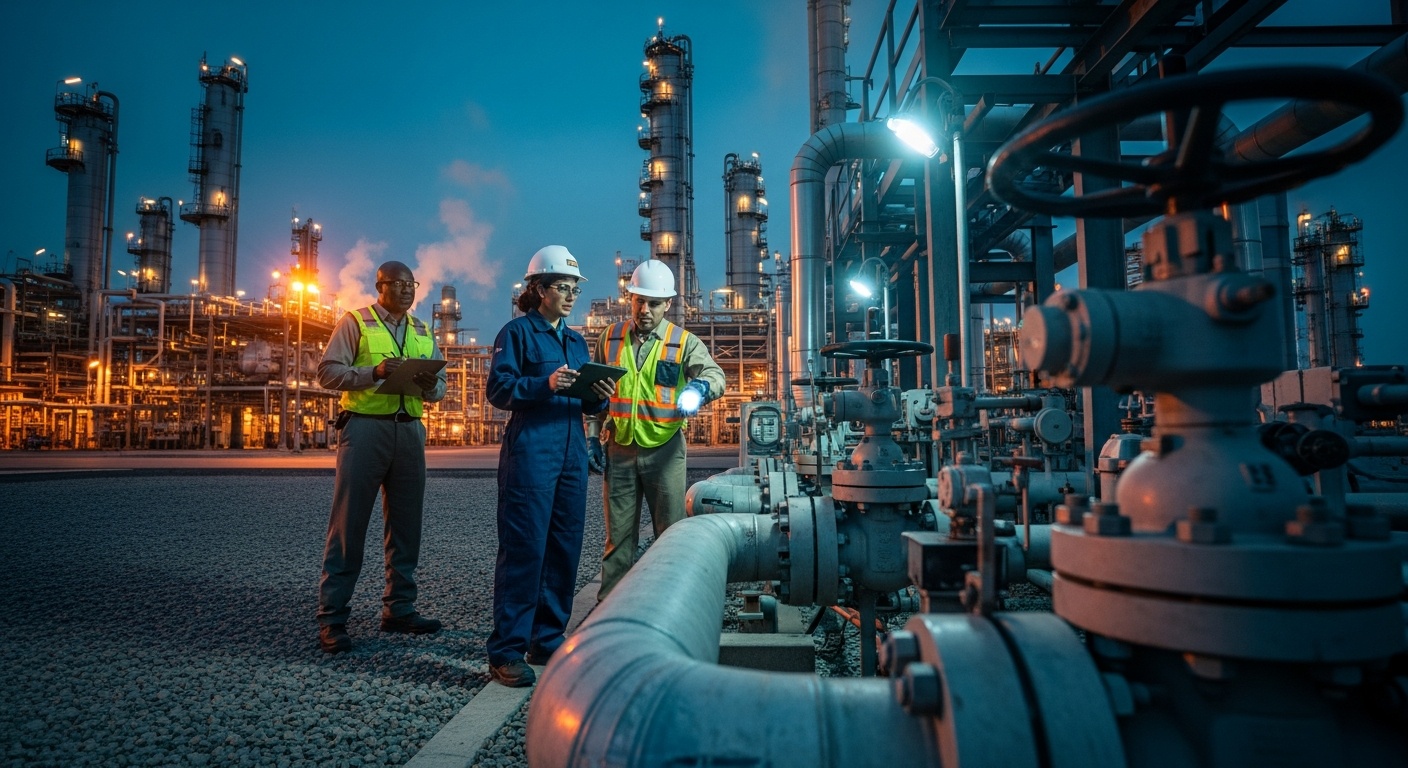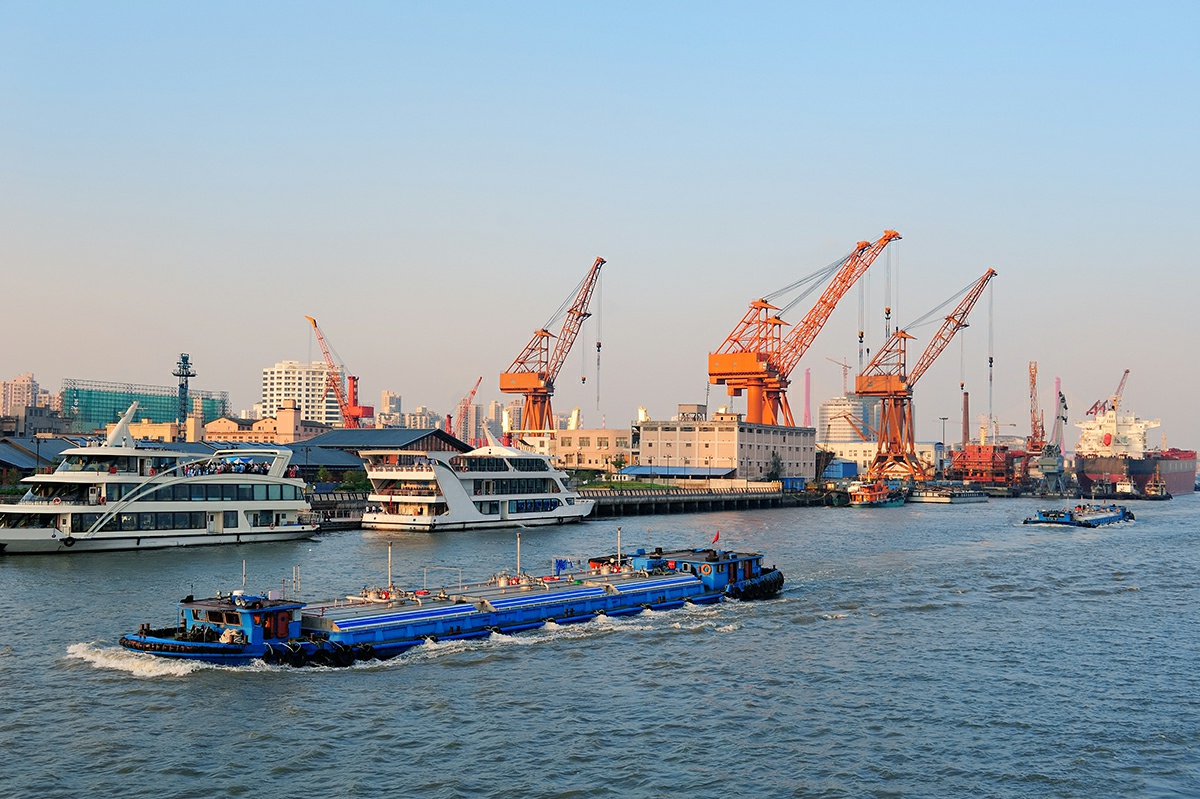

Ports have always been hubs of the hustle and bustle of human activity. But, as automation takes hold, they are gradually becoming quieter.
AI and robotics are reshaping maritime logistics and shifting the employment landscape.
Here’s how technology is redefining employment across the world’s major docks.
In This Article:
Jobs On The Dock: What’s Being Automated?
Globally, about 27% of dock work is already automated, which is projected to rise to about 85% by 2040.
The most directly affected roles are those tied to repetitive, predictable tasks. Think crane operators, cargo movers, and yard drivers.
For instance, the Port of Rotterdam now features automated guided vehicles and cranes to handle cargo. Most US-based ports now have automated gate systems and cargo handling equipment.
Where one port might have once required dozens of workers per shift, it may now only need a few supervisors to oversee the machines.
That doesn’t mean humans disappear entirely, though. Work opportunities are shifting to monitoring, control, response, and problem-solving rather than hauling cargo.
For example, maintenance technicians are increasingly responsible for robotics and software systems instead of just mechanical repairs.
Job Loss vs. Job Evolution
The main question is whether automation replaces workers entirely or rather reshapes their roles.
In theory, ports create new technical jobs as old roles decline. In practice, the transition isn’t as straightforward.
Many traditional dockworkers don’t possess the digital skills required for an automated world. As such, leading ports and unions are investing in retraining programs to move dockworkers into higher-skill positions.
Examples of such roles are remote crane operators, analysts for AI-driven systems, and control room supervisors.
The issue for employees, however, is that automation typically leads to workforce reduction before replacement roles are fully accessible, because upskilling doesn’t happen overnight.
The growing skills divide
Physical strength and experience were once the desirable attributes of a dockworker. But what matters more now is digital literacy and technical certifications.
The workers who can interpret data or maintain robotics will be the ones to enjoy job stability.
By contrast, older workers and those with limited formal education are most at risk. For some, “job evolution” translates to early exit from the workforce rather than reskilling.
The result in many ports is a smaller, more specialized workforce; leaner, but also less inclusive.
This shift also changes employment structures. Ports are starting to rely more heavily on subcontractors and specialized service providers. These eat away at long-term job security and weaken traditional career pathways.
What’s left in its place is a pile of fragmented technical roles, short-term contracts, and fewer entry points.
Where Maritime Jobs Are Not Declining
Importantly, losing jobs to automation is not uniform across the maritime sector.
Passenger-focused operations and tourism-driven ports continue to generate labor-intensive roles that are difficult to automate.
Demand for hospitality, onboard operations, and service jobs on cruises from Miami and other major ports remains strong, supported by rising passenger volumes.
The Clean Energy Opportunity
Although a few dockworkers pack their bags and transition into cruise-sector jobs, most don’t. But that doesn’t mean the end of opportunity.
Dockworkers are very well positioned to move into clean-energy roles based in and around ports. Many of their skills are transferable: safety and compliance, logistics, heavy-lifting, maritime familiarity, and so on.
Ports serve as staging hubs for renewable energy components like offshore wind turbines, and also need workers experienced in hazardous materials to handle alternative marine fuels.
Additionally, port-side electrification opens up roles for electricians, welders, riggers, and those capable of operating heavy equipment.
A growing ecosystem of retraining and “Just Transition” programs is available to help port workers move into clean energy roles.
Final Thoughts
For dockworkers, now is the time to look at retraining and upskill opportunities within or beyond the maritime sector.
Automation will continue to advance and evolve, and every maritime worker must evolve with it.