

The legal industry is undergoing a transformation that would have seemed far-fetched just a decade ago. What was once a field defined by rigid tradition and paper-heavy processes is now evolving into a dynamic ecosystem driven by technology, changing client expectations, and new economic pressures. At the center of this change is Dallas, a city emerging as a key legal and business hub in the American Southwest.
As we look toward 2030, law firms in Dallas will not only seek sharp legal minds but also professionals who are equipped to operate in a highly digital, data-driven, and client-focused environment. This article explores the core skills that will define legal hiring in Dallas over the next five years and what aspiring attorneys and law students can do now to prepare for this shift.
In This Article:
The Legal Industry Is Changing Rapidly
To understand where hiring is headed, it’s essential to grasp the shifts currently reshaping legal work. Law firms are no longer the exclusive providers of legal services. Clients have more options than ever before, including in-house legal teams, alternative legal service providers (ALSPs), and even legal technology platforms that use artificial intelligence to perform routine tasks.
At the same time, corporate clients are demanding faster, more cost-effective, and more transparent services. In response, firms are investing in automation, analytics, and new delivery models. These changes are not hypothetical. They are already happening and will only accelerate by 2030.
Why Dallas Is a Market to Watch
Dallas is uniquely positioned in this evolution. With its rapidly growing population, diverse economy, and increasing number of corporate headquarters, the city has become one of the most active legal markets in the country. Major industries such as energy, healthcare, real estate, and technology are expanding, and with that growth comes increased demand for legal support. As the legal field becomes more competitive, many firms turn to experienced Dallas legal recruiters to find attorneys who not only meet the technical requirements but also align with the evolving demands of the profession.
Moreover, Dallas’s legal community is both competitive and innovative. Firms here are already experimenting with new technologies and client service models. That means they are also leading the charge when it comes to rethinking who they hire and why.
The Top Skills Law Firms in Dallas Will Look for by 2030

As we head toward the end of the decade, legal employers in Dallas will prioritize candidates with a blend of traditional legal expertise and modern, cross-functional skills. Here are the key capabilities they will be watching for.
1. Tech Literacy and Legal Technology Fluency
Attorneys of the future won’t need to be coders, but they will need to be comfortable using and understanding technology. Legal research tools powered by AI, contract review software, and data analysis platforms will be part of daily workflows. A working knowledge of tools like Relativity, Westlaw Edge, or even blockchain technology will be a serious advantage.
Firms will also value those who understand how technology can help reduce costs and improve client outcomes. Candidates who can leverage tech to streamline processes or identify efficiencies will stand out.
2. Data Analysis and Business Acumen
Legal decisions are increasingly influenced by data. Whether it’s analyzing litigation risk, tracking regulatory trends, or helping clients make business decisions, lawyers are expected to interpret data in ways that inform strategy.
In Dallas, where corporate and transactional law are major drivers of legal activity, firms will especially value attorneys who can connect legal advice to broader business goals. This means understanding financial statements, market dynamics, and industry-specific metrics.
Business acumen isn’t just a bonus skill anymore. It is quickly becoming a core part of what defines a successful lawyer.
3. Cross-Disciplinary Collaboration
Legal work no longer happens in silos. Attorneys now work closely with IT professionals, compliance officers, HR managers, and even product designers. This trend will continue into 2030, and law firms in Dallas will seek out candidates who know how to operate in diverse, cross-functional teams.
This collaborative mindset goes hand in hand with a willingness to learn from other disciplines. For instance, understanding the basics of user experience (UX) design might help a lawyer contribute to a legal tech tool. Or familiarity with healthcare compliance systems could strengthen one’s role in a health law team.
4. Emotional Intelligence and Communication Skills
Technology can handle the documents, but it can’t replace human understanding. Clients expect their attorneys to be empathetic, responsive, and able to communicate clearly both in person and in writing.
In a legal market as competitive as Dallas, soft skills will set candidates apart. Firms will prioritize those who can build trust, manage expectations, and handle high-pressure situations with professionalism and poise.
As legal problems become more complex and cross-cultural, emotional intelligence will be essential for navigating sensitive issues with clients, colleagues, and opposing counsel alike.
5. Cultural Competence and DEI Awareness
Diversity, equity, and inclusion (DEI) are not just buzzwords. They are essential values for modern legal practice, and firms are under increasing pressure from clients and the public to demonstrate genuine commitment.
In Dallas, a city with rich cultural diversity and a global client base, lawyers must be able to work effectively across different communities and perspectives. Candidates who show awareness of DEI issues and actively seek to be inclusive will have an edge in hiring decisions.
Cultural competence also means recognizing how legal issues can uniquely impact marginalized groups and how to advocate thoughtfully on their behalf.
6. Adaptability and Lifelong Learning
The legal field will continue to change rapidly. The skills that matter today may look different in just a few years. Law firms will favor professionals who demonstrate intellectual curiosity and a willingness to evolve.
Attorneys who pursue continuing education, seek out certifications, or stay on top of tech and legal trends will be much more attractive to hiring partners. The ability to learn, unlearn, and relearn may ultimately become the most important skill of all.
Law Schools Are Adapting Slowly but Surely
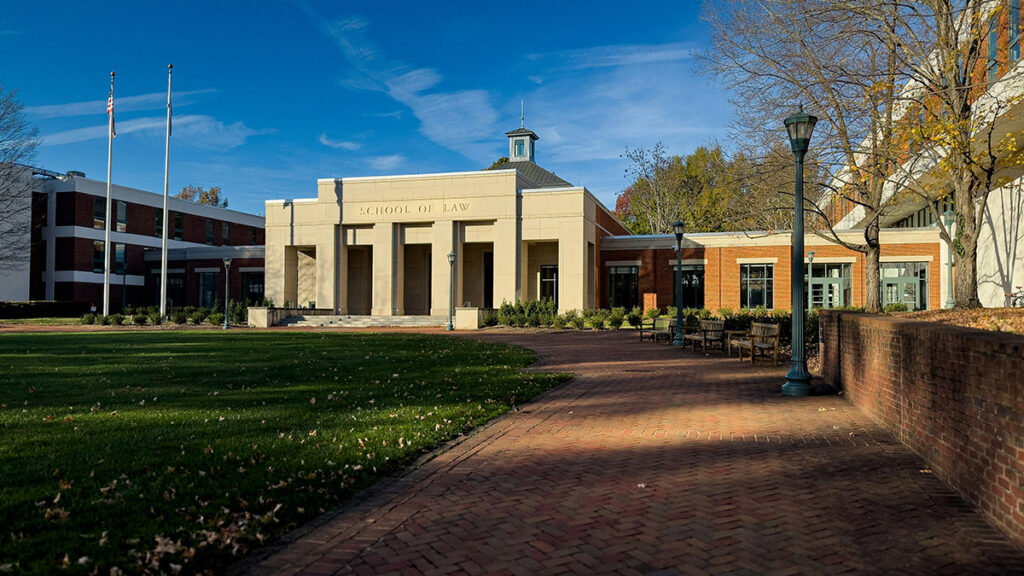
To meet the demands of 2030, law schools in Dallas and beyond are beginning to adapt their curricula. Some are introducing courses on legal innovation, technology, and project management. Others are partnering with tech companies or offering joint degrees in law and business.
Students who take advantage of these new offerings particularly in experiential learning programs, externships, or legal clinics focused on tech and entrepreneurship will be better positioned in the job market.
It’s also worth noting that firms will increasingly look beyond GPA and class rank. While academic excellence still matters, they want well-rounded candidates with demonstrable skills in communication, collaboration, and problem-solving.
How Young Lawyers Can Prepare Now
If you’re a law student or early-career attorney planning to practice in Dallas, here are a few concrete steps to prepare for the skills shift by 2030:
- Learn the tools: Familiarize yourself with legal tech platforms like Clio, CaseText, or DocuSign.
- Build a business foundation: Take electives in finance or accounting, or consider a business-related certificate.
- Practice soft skills: Volunteer, intern, or join organizations that require client interaction or public speaking.
- Stay current: Follow legal tech blogs, attend industry webinars, and network with professionals who are at the cutting edge.
- Focus on DEI: Engage with communities that promote inclusion, and be proactive about understanding different cultural perspectives.
Final Thoughts
The future of legal hiring in Dallas is being shaped right now. Law firms are not just looking for brilliant legal minds; they want agile, tech-savvy, emotionally intelligent professionals who can meet the changing needs of clients and society.
By 2030, the most successful attorneys will be those who combine legal skill with adaptability, empathy, and a sharp understanding of the world around them. If you’re planning a legal career in Dallas, now is the time to build the skills that tomorrow’s firms will demand.