
Heavy industry jobs offer solid career paths and good compensation. Case in point: If you have a commercial driver’s license (CDL), you can average $50,000 to $70,000 a year. That salary skews even higher for hazardous and oversized cargo drivers.
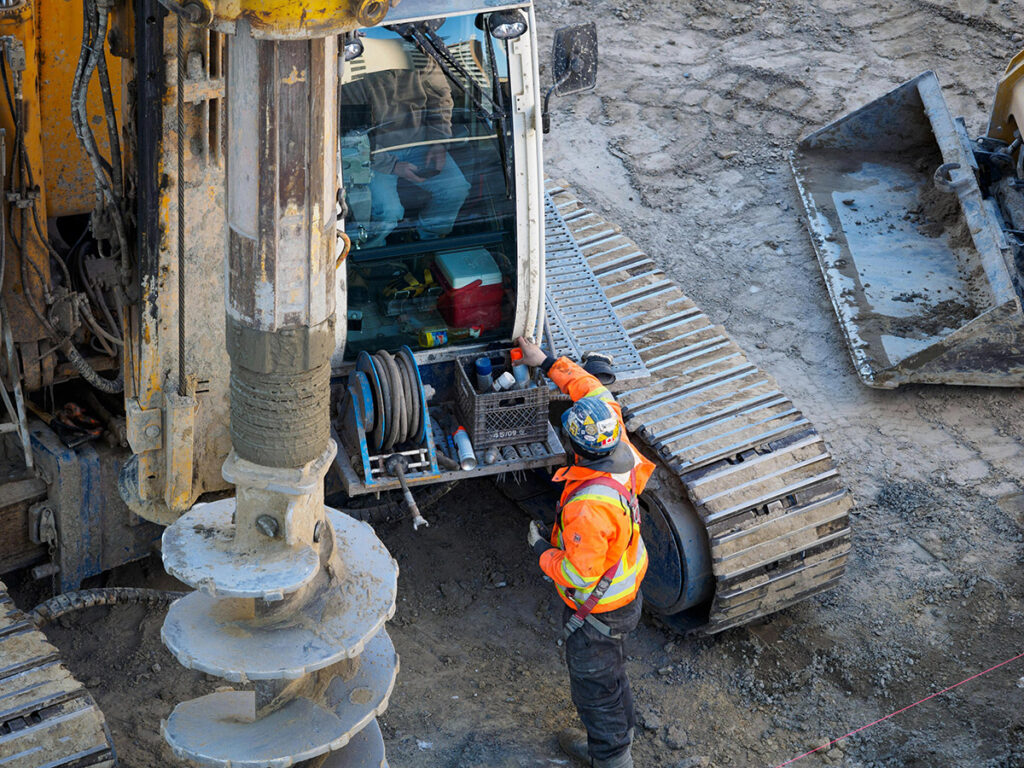
But like other heavy industry work, careers like this come with inherent risks that you shouldn’t overlook. Working with heavy machinery, exposure to hazardous chemicals, extreme temperatures, high-voltage electrical systems, and challenging shift schedules pose dangers to your health and well-being.
Safety cannot be a secondary consideration in these environments. Your long-term career health depends on working for companies that treat safety as a core value, not just a regulatory checkbox. Every day in an unsafe workplace increases your risk of injury.
Employers have a legal and moral responsibility to protect their workers. This translates into proper training, equipment, protocols, and a culture where safety concerns are raised without fear of retaliation. A responsible employer understands that protecting workers is about preventing injuries and illnesses and respecting human dignity.
Before accepting any position in heavy industry, you need to verify that your potential employer takes these responsibilities seriously. Your life may depend on it.
In This Article:
What to Ask During the Job Interview
The interview process works both ways, so ask pointed questions while they’re evaluating your qualifications. Don’t hesitate to ask about safety practices, like:
- Can you walk me through your current safety protocols and how you implement them?
- What were your most recent workplace incidents, and how did management respond to them?
- How often do you conduct safety training, and what specifically does it involve?
- What systems exist for workers to report safety concerns or hazards?
- How does the company handle situations where production goals conflict with safety procedures?
Pay careful attention to the answers; hesitation, vague responses, or dismissiveness are warning signs. A safety-conscious company will appreciate your questions and proudly provide specific, detailed explanations. Your questions show your commitment to safety during interviews; that shows potential employers that you’ll be an asset to their safety culture, not a liability.
Recognizing Red Flags and Risky Environments
When you visit these workplaces, stay alert for warning signs of unsafe practices, whether for an interview, orientation, or your first day. Examples might include inconsistent or missing safety signage, workers bypassing safety protocols, poorly maintained equipment, or visible hazards. Be concerned if you sense pressure to take shortcuts to meet production quotas.
You should also see if the company holds regular safety meetings or provides training updates. Confirm that they have clear emergency protocols and assess the level of supervision during night shifts or off-hours. Workplace violence prevention plans are critical as well. Those incidents occur across other industries and can happen without warning. Your employer should have a zero-tolerance policy and a firm stance on violence, with regular training and practical communication tools.
Night shift safety deserves special attention. Responsible companies implement additional safeguards for overnight work, like adequate lighting, extra supervision, buddy systems, and regular check-ins. Consider it a major red flag if a company treats night shifts as an afterthought with reduced safety measures.
Taking Safety Into Your Own Hands
The other side of this coin is your commitment to safety. For instance, night shifts in heavy industry can pay well, but prioritize your health to prevent accidents, injuries, and illnesses. That means getting enough sleep in a quiet, dark environment, eating well, and exercising regularly. Establish a routine, and speak up to management if the environment is working against you.
These additional proactive suggestions keep heavy industry workers safer:
- Always use proper PPE, even when others might not.
- Develop safety checklists for tasks.
- Establish a buddy system with coworkers for high-risk activities.
- Document and report unsafe conditions through proper channels.
- Request additional training when you feel uncertain about procedures.
- Stay updated on industry safety standards and best practices.
- Avoid taking shortcuts, even when pressed for time.
- Recognize when fatigue affects your performance and take appropriate breaks.
Your vigilance protects yourself, coworkers, and workplace safety. By modeling these practices, you’ll create a culture where everyone looks out for each other.
Remember that you have legal rights to a safe workplace. If your concerns are repeatedly ignored, document everything and consider contacting appropriate regulatory agencies. While this should be a last resort, your life and health are worth standing up for.
Identifying Companies with Strong Safety Cultures (That Pay Well)
Many hands-on blue-collar jobs pay high salaries and are worth considering, as long as the employers act responsibly. Escalator and elevator installers and repairers, gas plant operators, and transportation workers are just three roles worth considering. Many don’t require formal education, but expect to complete training before qualifying for these roles.
Be selective and safety-conscious when job hunting, and encourage long-term thinking and advocacy in shaping safer workplaces. The strongest safety-oriented companies share key characteristics you can observe before and during employment. They also typically experience fewer accidents, higher team member satisfaction, and better overall performance. These employers know that safety and productivity are complementary goals, not competing priorities.