

Across the globe, healthcare systems are feeling the strain of persistent staffing shortages. What was once considered a manageable challenge has now escalated into a full-blown crisis. Hospitals, clinics, and long-term care facilities are finding it increasingly difficult to fill roles, retain staff, and maintain patient care standards. While the implications for operational efficiency are well-documented, one crucial consequence is often overlooked: the rising risk of medical malpractice.
In This Article:
The Growing Crisis of Staffing Shortages
Staffing shortages in healthcare did not begin with the COVID-19 pandemic, but the crisis greatly accelerated them. A mass exodus of burned-out professionals, a lack of qualified replacements, and a growing patient population have all converged to create a perfect storm. Nurses and doctors are working longer hours with fewer resources, and support staff are stretched thin. According to a 2023 report from the American Hospital Association, over 80 percent of hospitals cited a severe shortage of nursing staff as their top workforce concern.
The healthcare workforce is aging, and the pipeline of new graduates is not keeping up. Nursing schools face faculty shortages that limit how many students they can train. Many rural and underserved areas struggle to attract talent at all, compounding existing disparities. These workforce gaps are not just operational concerns; they directly influence the safety and quality of patient care.
How Staffing Shortages Contribute to Malpractice
Medical malpractice refers to professional negligence by a healthcare provider that leads to substandard treatment, resulting in harm to a patient. While malpractice can occur for many reasons, chronic understaffing significantly increases the likelihood of these incidents. Here’s how.
Increased Patient Loads Per Provider
When there are not enough staff members, the remaining personnel must take on more patients than is safe or reasonable. A nurse who should be caring for four patients may end up responsible for eight or ten. In such situations, individualized attention disappears. Vital signs may be missed. Changes in patient condition may go unnoticed. This can result in delayed treatment, incorrect medications, or other avoidable errors that can severely harm patients.
Delayed Response to Emergencies
In an adequately staffed environment, providers can respond promptly to sudden patient deterioration. But when teams are stretched to their limits, even critical alarms or emergency calls can go unanswered for too long. For example, a patient in respiratory distress might not receive timely intervention because a nurse is tied up assisting another patient who also requires urgent care. These delays can turn recoverable situations into fatal ones.
Increased Likelihood of Human Error
Exhaustion, stress, and burnout impair cognitive function. Studies have shown that fatigued healthcare providers are more likely to make mistakes in medication administration, charting, diagnostic reasoning, and communication. A 2022 survey by Medscape found that nearly half of all nurses reported making errors due to burnout or fatigue within the past year. Understaffed environments place unrealistic demands on individuals, making human error inevitable rather than accidental.
Inadequate Supervision and Training
In many healthcare settings, newer staff or recent graduates require support and mentoring from experienced professionals. When staffing is low, the time and attention needed to train or supervise effectively are sacrificed. This lack of oversight can lead to missteps that would otherwise be preventable. A young nurse might administer the wrong dosage, or a newly hired physician might misread an imaging report without a second opinion available. These mistakes, however unintentional, can have lifelong consequences for patients.
Real-World Examples and Data
The connection between understaffing and malpractice is not hypothetical. Numerous case studies and legal reports confirm that when staff levels drop, the risk of litigation rises.
Consider a case from a New York hospital where a patient died of sepsis after signs of infection were missed for over 36 hours. The hospital’s internal review revealed that the nurses on shift were caring for nearly double the number of patients considered safe. Similar incidents have occurred in emergency departments, surgical units, and maternity wards across the United States.
According to data from the National Practitioner Data Bank, the number of malpractice payments in states with critical staffing shortages has risen significantly over the past five years. While correlation does not equal causation, the trend is hard to ignore.
Impact on Patients, Providers, and Institutions
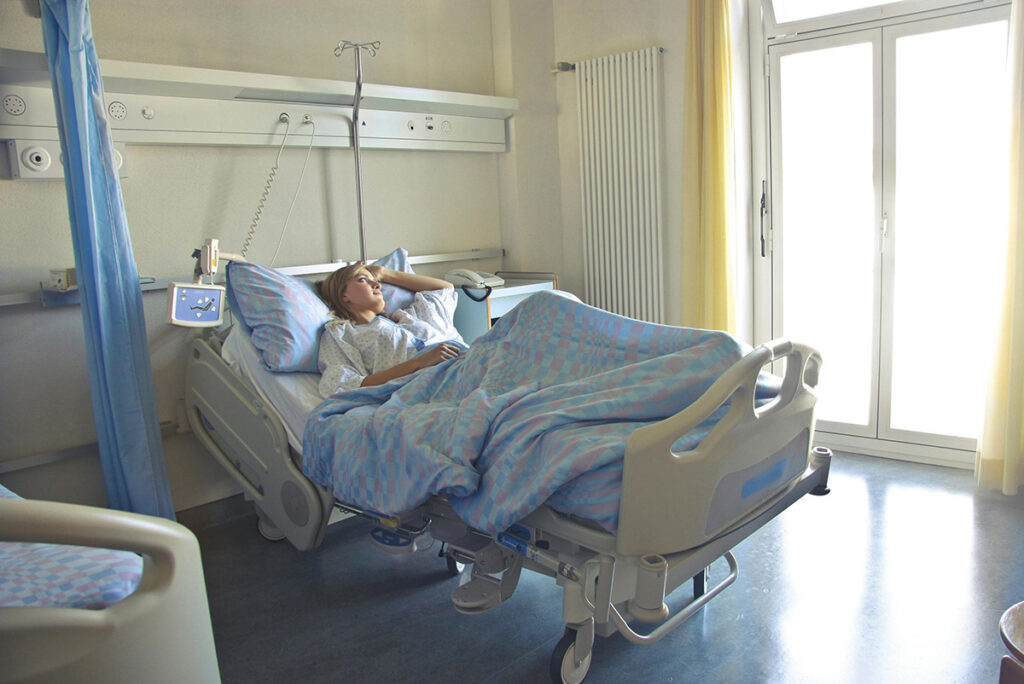
The consequences of medical malpractice due to staffing shortages extend far beyond individual patient harm.
For Patients
Patients suffer physically, emotionally, and financially. A missed diagnosis or surgical error can result in prolonged hospital stays, permanent disability, or even death. Families may be left with staggering medical bills and the emotional burden of losing a loved one to preventable circumstances.
For Healthcare Providers
Clinicians involved in malpractice cases, even when not at fault, endure immense stress. They may face legal action, license suspension, or public scrutiny. This further contributes to burnout, leading some to leave the profession entirely. Providers often describe feelings of guilt and helplessness when poor outcomes occur under conditions they could not control.
For Institutions
Hospitals and healthcare systems face reputational damage, legal costs, and financial penalties. Insurance premiums rise, and public trust erodes. In a competitive healthcare environment, a damaged reputation can lead to decreased patient volumes and reduced funding. Administrators may also face scrutiny from regulatory bodies if negligence in staffing practices is proven.
Legal and Ethical Implications
While courts may consider the broader context in malpractice cases, the legal standard of care remains consistent. Healthcare providers are expected to deliver safe, competent, and timely care regardless of staffing levels. Unfortunately, this sets up a dangerous contradiction. Even when providers do their best under dire conditions, they can still be held liable for errors resulting from systemic shortcomings, which is why some seek guidance from experienced medical malpractice lawyers to understand their rights and responsibilities.
Ethically, there is a collective responsibility to ensure that providers are not set up to fail. Hospital administrators must prioritize patient safety when making staffing decisions. If they knowingly allow units to function below safe thresholds, they risk both moral and legal accountability.
Strategies to Mitigate the Risk
Solving the staffing crisis will not happen overnight, but steps can be taken immediately to reduce malpractice risks and protect patients.
Retain and Support Existing Staff
Healthcare organizations must invest in staff retention. This includes offering competitive compensation, flexible scheduling, mental health support, and creating a culture that values provider well-being. Burnout prevention should be seen as a patient safety strategy, not just an HR concern.
Increase the Workforce Pipeline
Governments and educational institutions must address bottlenecks in training new healthcare workers. This includes expanding nursing programs, offering scholarships, and incentivizing work in underserved areas. Fast-tracking the credentialing of qualified foreign-trained professionals can also help fill immediate gaps.
Implement Technology Thoughtfully
While technology cannot replace human care, it can support it. Automation in administrative tasks, electronic health record optimization, and AI-driven triage tools can ease the burden on clinical staff. However, implementation should be careful and provider-informed to avoid unintended consequences.
To reduce malpractice exposure tied to understaffing, organizations should formalize detection and learning from adverse events and near misses. Implementing a modern patient safety event reporting system allows frontline staff to quickly document incidents, tag staffing factors (e.g., ratios, overtime), and surface patterns through dashboards and root-cause analytics. When paired with just culture principles, automated alerts, and feedback loops, these platforms turn isolated errors into actionable insights, guiding timely interventions such as staffing adjustments, workflow redesign, and targeted education.
Strengthen Legal Safeguards

Hospitals should review malpractice coverage, conduct regular risk assessments, and ensure proper documentation of staffing levels during adverse events. Proactive legal planning can help protect institutions and employees when systemic limitations are beyond their control. In high-risk environments, consulting a medical malpractice attorney may also be necessary to navigate complex legal exposures.
Conclusion
Staffing shortages in healthcare are not just a logistical issue. They are a serious threat to patient safety and a driving force behind increasing malpractice risks. When hospitals operate without adequate staff, everyone is vulnerable patients, providers, and institutions alike.
The path forward requires more than short-term fixes. It demands systemic reform, investment in the workforce, and a commitment to safety over cost-cutting. Until then, the healthcare industry must recognize that addressing staffing is not optional. It is essential to protect lives and uphold the promise of quality care.