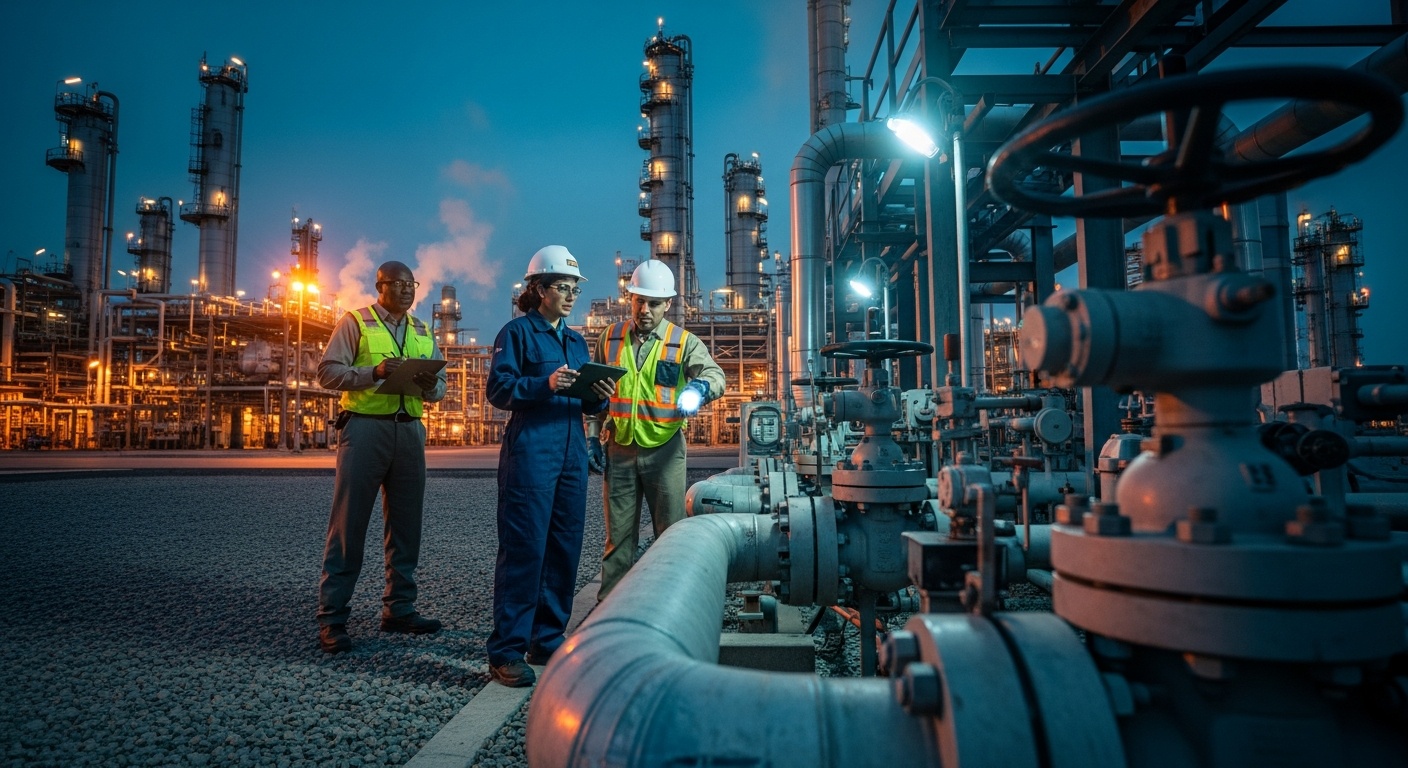

Technological change is reshaping every part of how we work, including how we stay safe. New tools like AI-based risk detection and real-time sensors are changing safety practices fast.
But are these tools solving the right problems, or just adding new ones? Many workplaces now rely on automation, but what happens when systems fail? Can innovation truly protect workers without rethinking what’s still in use on the ground?
Concerns around digital surveillance, data privacy, and outdated materials are still not fully addressed. These questions are becoming harder to ignore as technology spreads across industries. This article will explore how tech and workplace safety intersect in complex ways.
In This Article:
Digital Monitoring and the New Frontiers of Risk Prevention
Modern digital tools help reduce safety risks before they cause harm. Wearable devices now track posture, stress, and movement in real time. Smart sensors monitor air quality and temperature changes on factory floors.
A recent study by ScienceDirect highlights using low-cost sensors to monitor air quality in factories. These sensors connect to IoT systems, providing real-time environmental data for better insights. This tech is becoming essential for improving safety and operational efficiency in industrial settings.
The alerts provided by these sensors help prevent fatigue, chemical exposure, and sudden equipment failure. Digital systems allow faster emergency response when conditions start to deteriorate. They also collect valuable data to improve workplace design and hazard planning.
However, tracking employees constantly raises important privacy and transparency questions. Workers should know how their data is used and protected daily. Safety tools must balance risk prevention with respect for personal boundaries.
What happens when sensors malfunction unexpectedly?
Sensor malfunctions may give a false sense of safety, exposing workers to undetected hazards. Emergency protocols must guide responses to sensor failures using manual checks and human judgment. Backup systems and analog tools are essential when digital monitoring becomes unreliable or suddenly stops working.
Automation’s Double-Edged Impact on Dangerous Work
Automation reduces human exposure to tasks that are risky or physically demanding. Robots can safely handle hazardous chemicals and operate in unstable environments.
For instance, a 2025 study published on ResearchGate discusses how robots are transforming hazardous waste cleanup and disaster response. These autonomous machines use AI and sensors to handle dangerous tasks with precision. They’re managing everything from oil spills to unstable soil without putting humans at risk. Robotics in these roles boosts safety, speeds up recovery, and improves overall efficiency.
This shift lowers injury rates and improves overall productivity and morale. However, automation can also weaken critical hands-on experience among workers. Some systems still need human oversight to prevent serious malfunctions or oversights. If an automated tool fails, workers must react quickly and confidently.
Training should include both digital controls and manual fallback procedures. Some industries continue using harmful materials in otherwise automated setups. Replacing these materials is essential for sustainable and complete safety reform.
What ethical concerns arise from robotic deployment?
Deploying robots without defined accountability creates confusion when failures occur. Autonomous decisions must be transparent, traceable, and reviewed after incidents. Clear oversight is essential to ensure safety. Ethical frameworks require that human operators stay responsible for outcomes that directly impact workers and their well-being.
Rethinking Legacy Materials in a Modern Tech Ecosystem
Digital safety systems are more advanced than ever, yet harmful materials remain in use. Smart monitors can detect airborne toxins, but they do not replace the source. In factories, aging insulation and materials with asbestos or silica still pose threats. Tech may alert workers faster, but alerts are not enough when outdated substances remain.
The same pattern is visible in emergency services, where tech-enhanced gear meets old chemical solutions.
For example, TorHoerman Law emphasizes that firefighting foam, especially aqueous film-forming foam, is still widely used for its effectiveness. Despite its long history, AFFF contains compounds linked to cancer, hormonal issues, and environmental damage. Exposed firefighters have initiated legal action, suing the manufacturers of AFFF.
The AFFF foam lawsuit states that manufacturers knew the dangers but failed to inform or replace the materials. This raises a bigger issue: high-tech tools are often layered over unsafe foundations. Workplace innovation cannot rely solely on detection and monitoring. True safety means removing hazards, not just observing them digitally. A modern tech ecosystem must critically assess the legacy materials it’s built upon.
Can 3D printing replace hazardous components?
3D printing enables safe custom parts that substitute high-risk materials used in outdated systems. Facilities can design alternatives that perform better while reducing exposure to toxic chemicals and dust. Using 3D solutions also lowers long-term liability and improves equipment safety and sustainability.
The Ethics of AI-Driven Safety Decisions
Artificial intelligence is helping identify risks faster than traditional methods allow. Algorithms can detect early patterns of fatigue or machine stress indicators. AI systems scan hundreds of variables and produce quick safety recommendations.
Still, full reliance on AI removes essential human judgment and interpretation. Data quality and algorithm bias may lead to inaccurate safety alerts. When biased models shape safety protocols, they can expose workers to avoidable dangers.
IBM also notes that unchecked algorithmic bias can deepen existing inequalities across real-world processes and decision-making systems. These inaccuracies especially harm marginalized groups and quickly erode trust in AI technology. Businesses that overlook fairness risk lawsuits, financial penalties, and serious damage to their reputations.
Human oversight remains essential for validating AI predictions and decisions. Ethical design should ensure workers understand how AI arrives at conclusions. Transparent communication builds trust and supports more informed safety conversations at work.
What happens if AI safety systems use outdated information?
AI requires diverse, real-life data inputs to interpret workplace safety needs effectively. Contextual training must reflect human behavior, environmental changes, and non-standard scenarios across industries. Frequent retraining using updated incident reports ensures AI systems stay responsive to new workplace risks.
Training the Workforce for a Digitally Safer Tomorrow
Advanced safety tools are only helpful when workers know how to use them. Training must include digital platforms, wearable devices, and data dashboards. Clear instructions help employees respond to alerts quickly and effectively. Organizations should also support continuous learning as systems update and evolve.
The American Machinist states that continuous learning is essential in manufacturing as technology rapidly changes job skill requirements. Without ongoing training, workers risk falling behind and losing career growth opportunities altogether. This affects both employees and employers, especially with rising costs and stagnant wages.
Workers with strong digital literacy are better equipped to spot potential issues. Safety cultures thrive when communication flows freely and feedback is encouraged.
Employees must feel confident in suggesting improvements to existing technologies and routines. Employers should combine digital training with on-the-ground safety procedures and drills. A strong safety culture depends on education, access, and shared responsibility.
What skills help bridge tech and manual safety?
Hybrid skills help workers interpret digital alerts and apply them during real-world emergencies. For instance, reading dashboard data while maintaining equipment safety protocols creates a balanced response. Training should include both technical literacy and traditional hazard awareness in equal measure.
Successfully using technology in workplace safety requires a complete and thoughtful approach. It involves moving past just detecting hazards to actively preventing them before they happen. AI and sensors bring powerful tools for risk reduction but need strong data accuracy and privacy safeguards.
Human oversight remains crucial to catch what technology might miss. Replacing dangerous legacy materials is another important step to protect workers. Building a culture of continuous learning and developing hybrid skills among employees supports safer workplaces.