5 Ways to boost efficiency in post-acute and long-term care facilities
The United States faces a growing challenge in caring for its aging population. More than 1.3 million Americans live in over 15,000 certified nursing homes, representing less than half a percent of the population. Yet by October 2021, these residents accounted for nearly 19 percent of all COVID-19–related deaths. This striking disparity underscores the urgent need to strengthen healthcare systems and improve care delivery.
Medicare allocates roughly $60 billion each year to post-acute care, or about 15 percent of its total budget. Inefficient coordination between facilities contributes to an estimated $78 billion in wasted spending annually. As the baby boomer generation continues to age, the demand for long-term care will only intensify. By 2030, all 73 million boomers will be 65 or older, placing unprecedented pressure on an already stretched system.
To meet these challenges, the healthcare sector must adopt innovative and efficient practices. This article explores five effective strategies to enhance performance and deliver higher-quality care in post-acute and long-term care facilities.
In This Article:
Implementing Person-Centered Care Models
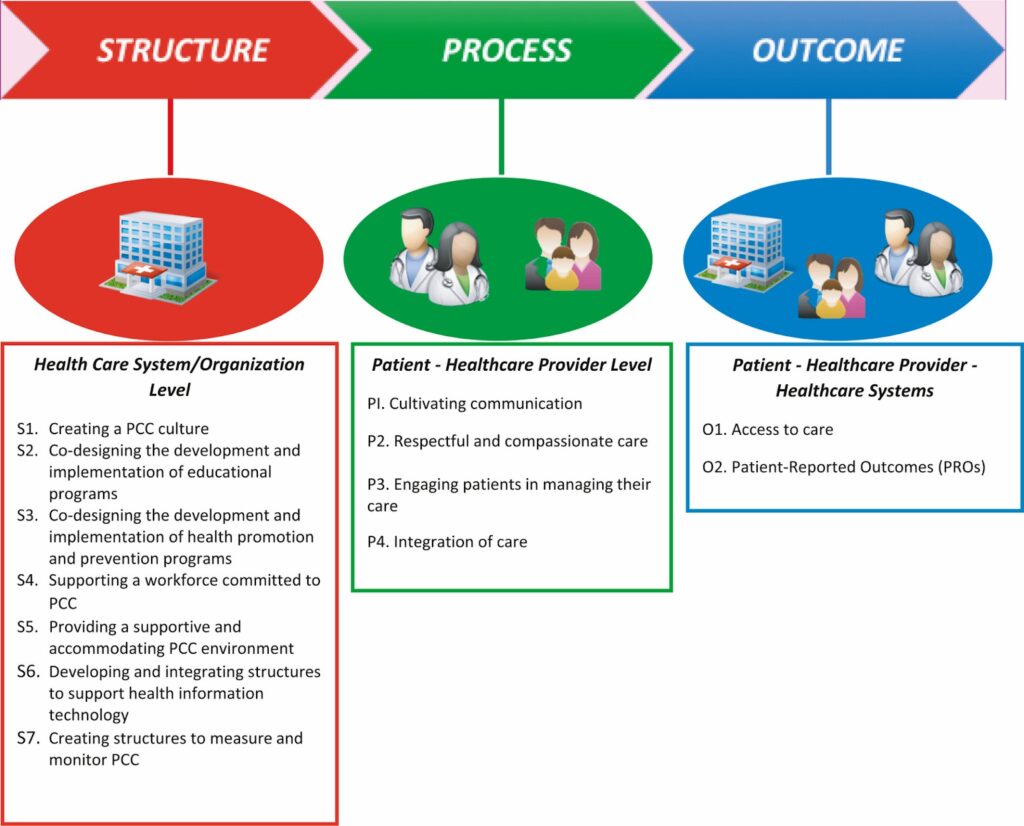
Image Source: Wiley Online Library
Person-centered care has become the life-blood approach for facilities that aim to boost service quality and streamline operations. This approach treats people as active participants rather than passive recipients of care. The right implementation creates opportunities to improve healthcare workforce efficiency throughout the organization.
Research shows real benefits of this approach. A mixed-method pilot study in an 89-bed skilled nursing facility showed major improvements between admission and discharge on Care for Chronic Conditions and Patient Activation Measure surveys. Patient satisfaction surveys revealed higher ratings over time and showed substantial improvement in satisfaction with medical providers.
The key elements of successful person-centered care models usually include:
- Biweekly interdisciplinary care plan meetings scheduled based on patients’ preferred times and held in their rooms
- Patients choose health-related goals that guide team discussions
- Simple language that makes patient understanding easier
- Teams take responsibility for patient care priorities
- Regular care-team meetings for feedback and model improvements
The approach needs strong organizational commitment. Saint John’s facility uses the small-home person-centered model where care partners provide 45% more direct hours per patient daily than traditional skilled nursing facilities in the region. This extra caregiver attention results in 80% fewer resident falls compared to traditional nursing models.
Person-centered care offers more than just a new philosophy—it provides a practical way to address workforce challenges in post-acute and long-term care facilities today. Facilities that focus on patient priorities can improve clinical outcomes, boost staff satisfaction, and run more efficiently.
Empowering and Training the Workforce

Staff empowerment lies at the heart of every successful post-acute or long-term care facility. Staff members who believe they can control and make competent decisions change both resident care quality and operational efficiency.
Research shows that nurses feel more satisfied with their jobs when they’re enabled to make decisions. These nurses show stronger commitment to their employers and tend to stay in their positions longer. The connection between enabling staff and keeping them affects facility operations directly. Front-line staff in nursing homes show lower turnover rates and provide better care quality when they feel empowered.
An enabled staff needs access to four vital structures according to experts:
- Support – Feedback and guidance from supervisors, peers, and direct reports
- Resources – Funds, supplies, and time required to meet project goals
- Information – Knowledge about organizational values, goals, policies, and expertise needed to work effectively
- Opportunity – Access to challenges, rewards, and professional development that increase job-related skills
Access to flexible workforce resources also plays a key role in staff empowerment. Facilities that explore local healthcare staffing options gain the ability to fill shifts quickly, reduce burnout, and maintain consistent care coverage. These solutions help administrators balance workloads, giving teams the stability they need to focus on patient outcomes and professional growth.
Career advancement has worked so well that the American Health Care Association and National Center for Assisted Living’s complete reform proposal, the Care for Our Seniors Act, suggests several financial help programs including:
- Student loan forgiveness for licensed healthcare professionals who are new graduates working in long-term care
- Assistance programs covering affordable housing, housing down payments, and childcare
- Career ladder scholarships encouraging staff to advance by becoming registered nurses or taking other positions in aging services
Staff enablement pays off through better resident outcomes, more staff staying on, and smoother operations. Post-acute and long-term care facilities can build stronger workforces that provide exceptional care efficiently by recognizing how frontline staff affects resident wellbeing.
Adopting Health Information Technology

Technology adoption remains one of the biggest untreated opportunities for post-acute and long-term care facilities that want operational excellence. Electronic health records (EHRs) can boost workflow efficiency substantially, yet their use varies across different care settings.
Health information technology benefits go way beyond simple record-keeping. EHRs can deliver these advantages when used properly:
- Improve quality and patient safety, especially with medication errors
- Boost clinical documentation and decision-making capabilities
- Make documentation better with more accurate and complete patient data
- Aid timely and accurate patient risk assessments
- Support clinical judgment through integrated decision support tools
- Enable better health information exchange across care settings
The meaningful use of these systems faces big obstacles. LTPAC providers have adopted EHRs to support their clinical and business needs, but they don’t share health information routinely. Many facilities use just the simple EHR features without trying advanced options that could make things more efficient.
AI applications now help with workforce challenges beyond regular EHR features. Nurses use AI-driven tools to analyze data, predict complications, and make better decisions while reducing their mental workload. These systems can warn nurses early about patients getting worse.
Moving forward requires balancing the good things technology can do with the challenges of setting it up. Post-acute and long-term care facilities can use these tools to handle workforce issues and give better care to complex patients if they plan carefully, train well, and deploy strategically.
Expanding Access to Flexible Staffing Resources

Staff shortages have made flexible staffing a must for post-acute and long-term care facilities. Statistics from 2023 show that 95% of providers faced moderate or severe staffing shortages. This led 77% of them to turn away new referrals because they didn’t have enough staff. Patients now stay 10% longer in hospitals while waiting to move to skilled nursing facilities, compared to 2019.
New and creative models have emerged:
- Gig nursing models – Part-time contract nurses who work as little as one 12-hour shift monthly
- Internal float pools – Cross-trained staff who work across multiple units
- External agency partnerships – Relationships with staffing firms providing temporary workers
- Virtual labor pools – Technology-enabled platforms connecting facilities with available workers
Mercy healthcare system’s story shows what flexible staffing can do. They created “Mercy Works on Demand,” an app that lets nurses choose their locations, hours, and shifts. The results were impressive. Nurse staffing went up by 20% in two years, with a 94% fill rate. They saved $52 million on premium labor, cut agency costs by 62%, and reduced overall staffing costs by 25%.
Technology is a vital part of making these flexible approaches work. Modern platforms can share open shifts with just a few clicks to everyone who might be interested—full-time staff, agencies, or internal float pools. Facilities using these systems fill 95% of their shifts. This frees up managers to focus more on patient care instead of making staffing calls.
Flexible staffing does more than just fill empty shifts—it creates lasting workforce solutions. Facilities that use these approaches see better results across the board:
- Staff enjoy better work-life balance
- They spend less on travel nurses
- More permanent staff stay longer
- Nurse managers spend less time on paperwork
Flexible staffing can’t fix everything by itself. But when combined with person-centered care models, staff enablement programs, and the right technology, it becomes a key part of a complete workforce strategy. Giving healthcare professionals more control over their work schedule improves both efficiency and care quality—vital goals in today’s healthcare landscape.
Strengthening Quality Assurance Systems
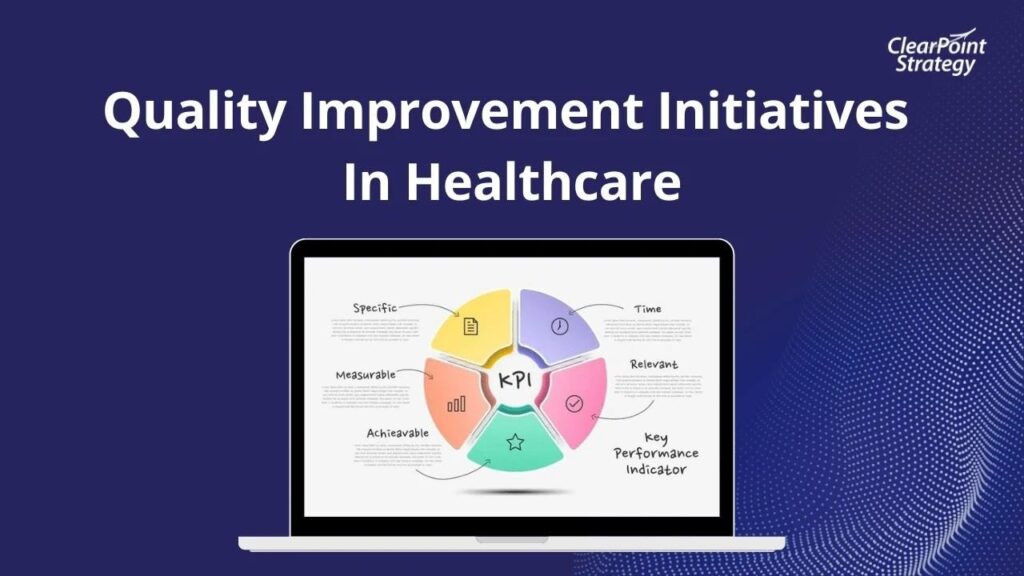
QAPI programs form the foundations of sustainable excellence in post-acute and long-term care settings. QAPI brings together two complementary aspects: Quality Assurance (QA) meets standards, while Performance Improvement (PI) works to improve processes and outcomes.
Strong quality measures help the healthcare workforce become more efficient by pinpointing where improvements are needed. CMS released the updated Minimum Data Set (MDS) 3.0 Quality Measures User’s Manual v17.0 in 2025. This manual has complete specifications for nursing home quality measures and notable changes from earlier versions. Healthcare facilities can now better assign their limited staff resources where they’ll have the most effect.
Better quality measures start with a well-laid-out QAPI plan that focuses on several key elements:
- Leadership engagement – A company’s culture grows from the top down, and staff naturally follow when executives make quality measures a priority
- Staff participation – Everyone from nurses to housekeeping staff takes part in quality reporting, creating a complete approach to resident care
- Ongoing education – Staff knowledge about quality measures and best practices improves residents’ quality of life
- Evidence-based practices – Using frameworks designed to improve care quality in nursing facilities
Clinical audits and systematic reviews of care processes help teams spot areas that need improvement and create targeted action plans. These reviews make sure best practices and regulatory requirements line up, building a foundation for ongoing progress.
A complete quality improvement strategy needs to cover every aspect of healthcare delivery—from patient care and safety to staff training and facility management. Post-acute and long-term care facilities can improve care quality and workforce efficiency by encouraging a culture focused on continuous improvement.
Charting a Smarter Path Forward in Care
Efficiency in post-acute and long-term care is not achieved through a single solution but through a culture that values innovation, collaboration, and compassion. The most successful facilities view change as an opportunity to strengthen both staff performance and patient experience.
Building this kind of environment requires steady leadership and continuous investment in people. When healthcare workers feel supported and equipped with the right tools, they deliver higher-quality care and form deeper connections with those they serve.
The future of post-acute and long-term care depends on how effectively organizations adapt today. Facilities that embrace person-centered care, commit to ongoing staff development, and integrate data-driven systems will be better positioned to meet rising demand with compassion and efficiency.